A flexible weekly plan that supports real life
Turn a busy week into a manageable cooking rhythm with a simple framework for choosing meals, organising ingredients, preparing useful components and adapting when plans change.
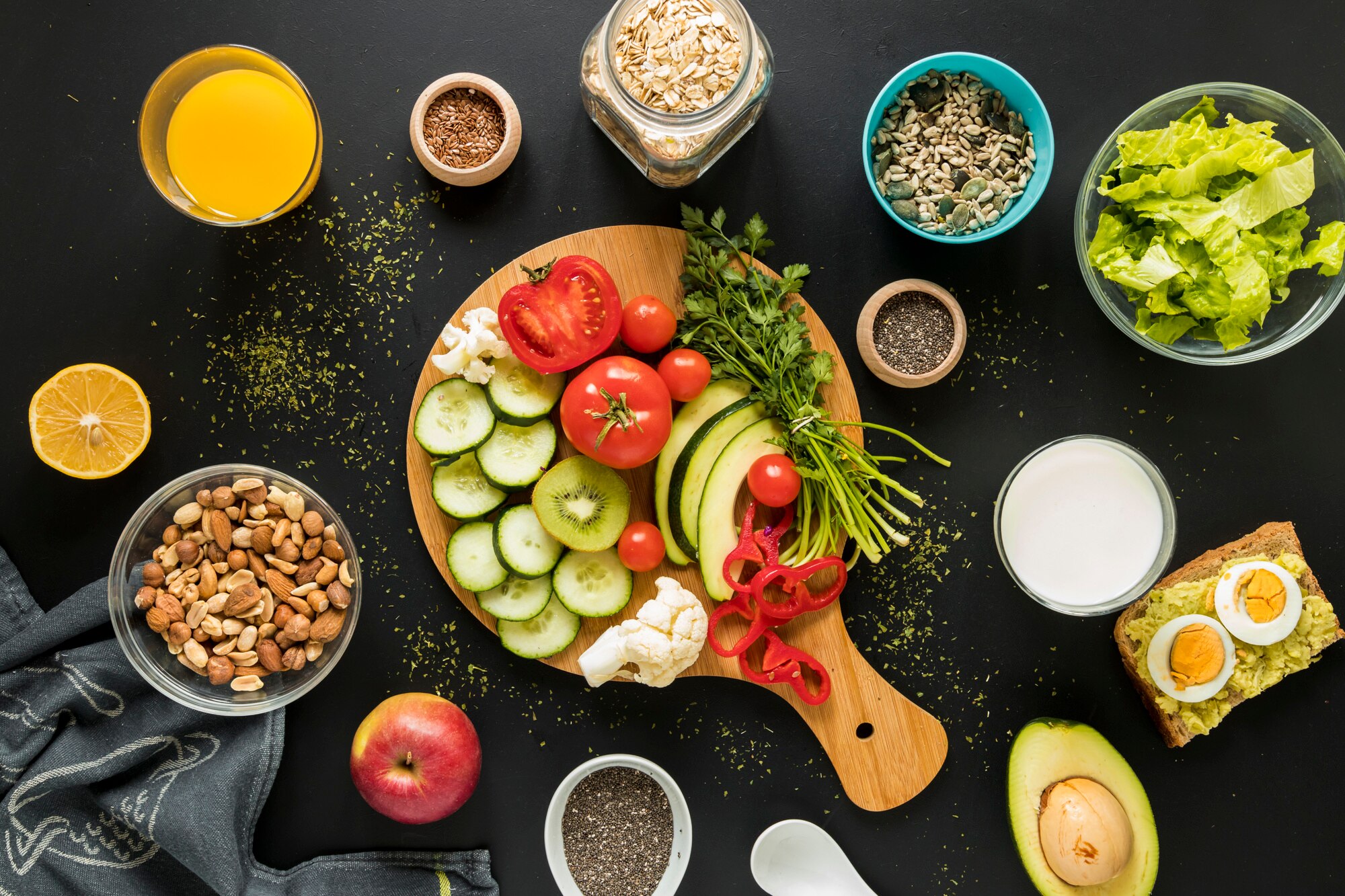
Make fewer decisions at the busiest time of day
Meal planning is not about assigning a rigid dish to every hour. It is about preparing enough structure to make good options visible. A useful plan considers your diary, household, energy, ingredients and available cooking time before choosing recipes.
Our method starts with anchor meals, adds flexible options and identifies just a few components worth preparing in advance. This reduces repeated work while preserving variety.
anchor dinners
Meals you are genuinely looking forward to cooking.
quick options
Reliable meals for evenings with limited time.
use-it-up meal
A flexible bowl, soup, stir-fry or tray bake.
open evening
Space for leftovers, plans out or a change of mind.
Plan from your calendar, not from an ideal week
This roadmap keeps the process brief and gives every meal a reason for being on the plan.
Scan
Mark late days, social plans and evenings with more cooking time.
Choose
Select two anchor meals and two quick, dependable options.
Overlap
Find ingredients or preparations that can support multiple dishes.
List
Shop from the plan, checking the pantry before adding duplicates.
Adapt
Move meals around when the week changes instead of abandoning the plan.
One set of ingredients, several distinct meals
Ingredient overlap works best when the finished dishes have different textures, temperatures and flavour profiles. Here is a sample structure using roasted pumpkin, cooked brown rice, greens, herbs and a tray of spiced chickpeas.
Warm rice bowl with pumpkin, chickpeas, greens and tahini-lime dressing.
Quick egg and greens fried rice finished with herbs and crisp chickpeas.
Pumpkin soup with a crunchy chickpea topping and herb yoghurt.
Fresh chopped salad with cooled rice, herbs, cucumber and citrus dressing.
A planner is a guide rather than a commitment. Swap days whenever your schedule changes.
Prepare components, not an entire week of identical meals
A short preparation session should create options. Focus on tasks that improve speed or flavour later.
Wash and dry greens
Store them dry and ready for bowls, soups, stir-fries and quick sides.
Cook one grain
Cool promptly and use it across warm bowls, salads or a quick pan meal.
Make one sauce
Keep the base balanced, then vary it with herbs, spice, citrus or yoghurt.
Roast one tray
Choose vegetables that hold their texture and can be served warm or cool.
Prepare a garnish
Toasted seeds, chopped herbs or pickled onions can change the character of a simple dish.
Leave room to cook
Not every ingredient needs advance preparation. Freshness and spontaneity still belong in the week.
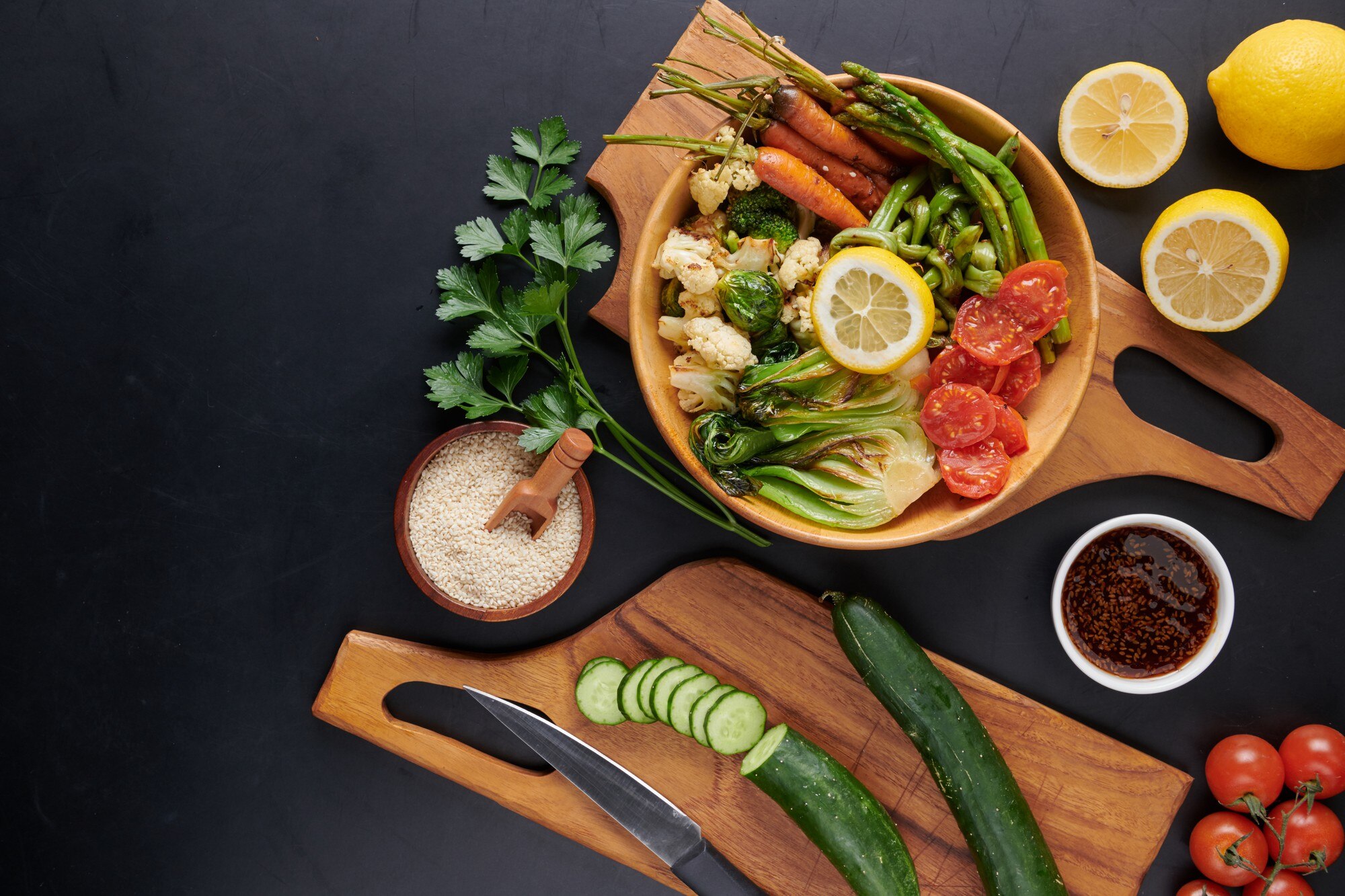
Write a list that mirrors how you shop
Group your list by produce, proteins, chilled items, grains, pantry and household essentials. Add quantities only where they prevent obvious overbuying, and mark ingredients that can be substituted if quality or price is not suitable.
Turn this framework into your own weekly system
Meal Planning Made Simple includes a guided calendar review, meal-selection framework, shopping-list template and preparation map.